Redesigning Classrooms to Encourage Creativity and Collaboration
The traditional classroom setup has long been the standard for educational institutions around the world. Rows of desks, a teacher’s desk at the front, and a chalkboard or whiteboard at the front of the room. However, in today’s fast-paced world, where innovation and collaboration are highly valued, this conventional setup may no longer suffice. As educators strive to prepare students for the future, there has been a growing trend towards redesigning classrooms to encourage creativity and collaboration. In this article, we will delve into the benefits of this approach and explore some effective ways to redesign classrooms for a more engaging and dynamic learning experience.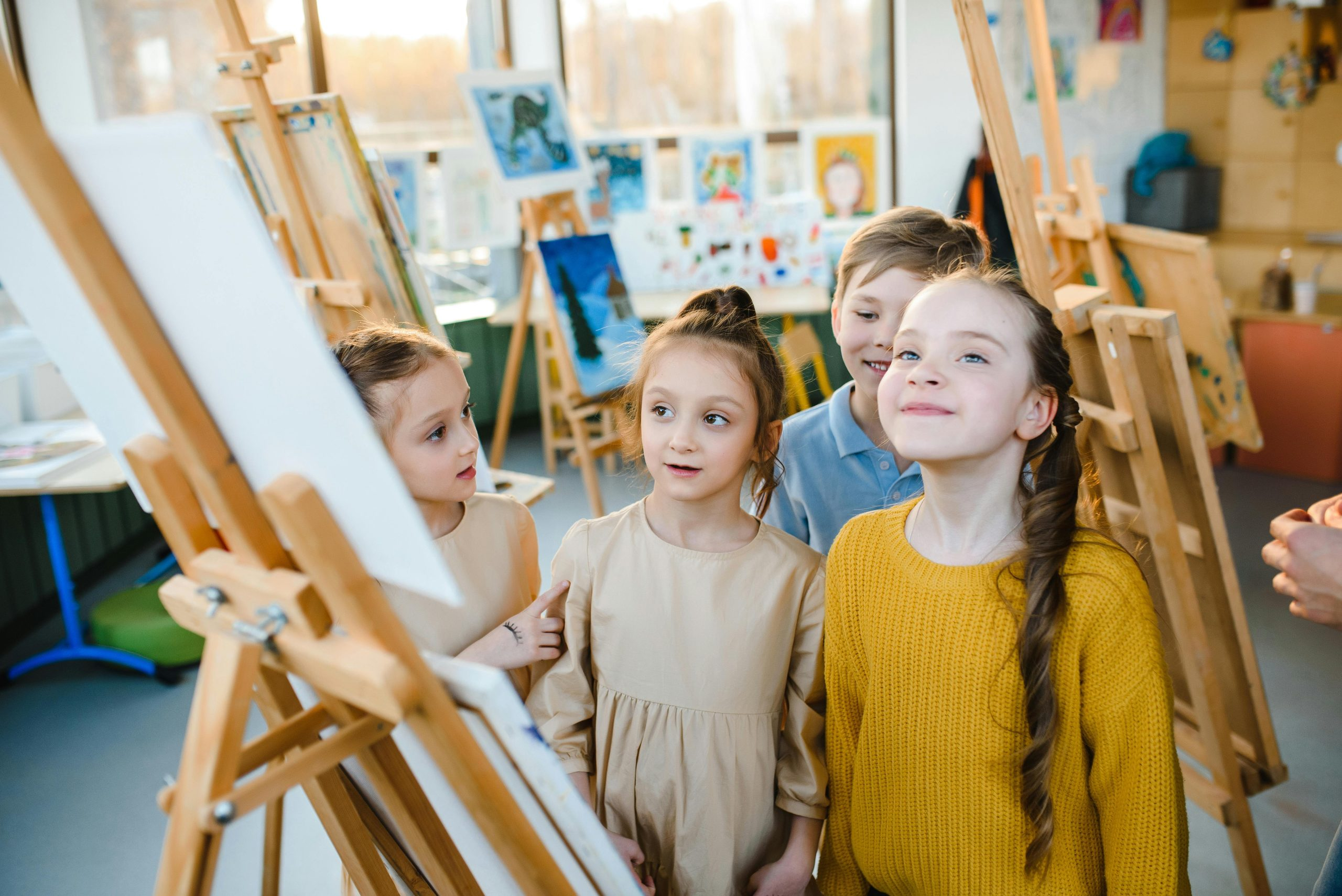
The Importance of Creativity and Collaboration in Education
Before we dive into the specifics of redesigning classrooms, let’s first understand why these two elements – creativity and collaboration – are crucial in education.
Promotes Critical Thinking and Problem-Solving Skills
Collaboration involves working together to achieve a common goal, which requires students to think critically and come up with solutions to challenges. By encouraging students to be creative and work together, educators are fostering their ability to think outside the box and approach problems from different perspectives. This is a crucial skill that will serve them well in their future careers.
Fosters Communication Skills
In a traditional classroom setup, students are often confined to their own desks and rarely get the opportunity to interact with their peers. However, in a redesigned classroom, where students are encouraged to work together, they must communicate their ideas effectively and listen to others’ viewpoints. This type of environment fosters essential communication skills, such as active listening, articulation, and collaboration.
Prepares Students for the Real World
In today’s globalized world, it’s becoming increasingly important for individuals to be able to work and collaborate with people from diverse backgrounds. By redesigning classrooms to promote creativity and collaboration, students are better prepared for the real world, where these skills are highly valued by employers.
Effective Ways to Redesign Classrooms for Creativity and Collaboration
Flexible Seating Arrangements
Gone are the days of one-size-fits-all seating arrangements. Redesigning classrooms often involves incorporating a variety of seating options, such as bean bags, standing desks, and collaborative workspaces. This allows students to choose a seating arrangement that best suits their learning style and enables them to work effectively with their peers.
Technology Integration
In today’s digital age, technology plays a crucial role in education. By incorporating technology into the classroom, educators can encourage collaboration and spark creativity. For example, students can use multimedia tools to collaborate on projects, create presentations, and share their ideas with the rest of the class.
Collaborative Learning Activities
Redesigning classrooms is not just about the physical aspects but also involves creating an environment that encourages collaboration. Educators can achieve this by incorporating group projects and activities into their lesson plans. These activities not only promote teamwork but also allow students to learn from one another and exchange ideas.
Decor and Aesthetics
The aesthetic appeal of a classroom can have a significant impact on students. By incorporating bright and vibrant colors, natural lighting, and inspirational quotes, educators can create an environment that stimulates creativity and fosters collaboration.
Welcoming Reflection and Feedback
Lastly, to truly encourage creativity and collaboration, it’s crucial to have a welcoming and open environment where students feel comfortable sharing their thoughts and ideas. One effective way to achieve this is by providing opportunities for students to reflect on their learning and offer feedback on how the classroom setup can be improved to better support their needs.
Conclusion
Redesigning classrooms to encourage creativity and collaboration is becoming increasingly popular in the education world, and for good reason. By breaking away from the traditional setup and creating a more dynamic and engaging environment, educators can prepare their students for the future and equip them with essential skills for success. As we continue to evolve and adjust to a changing world, it’s essential to embrace new ideas, and redesigning classrooms is just one way to do so.